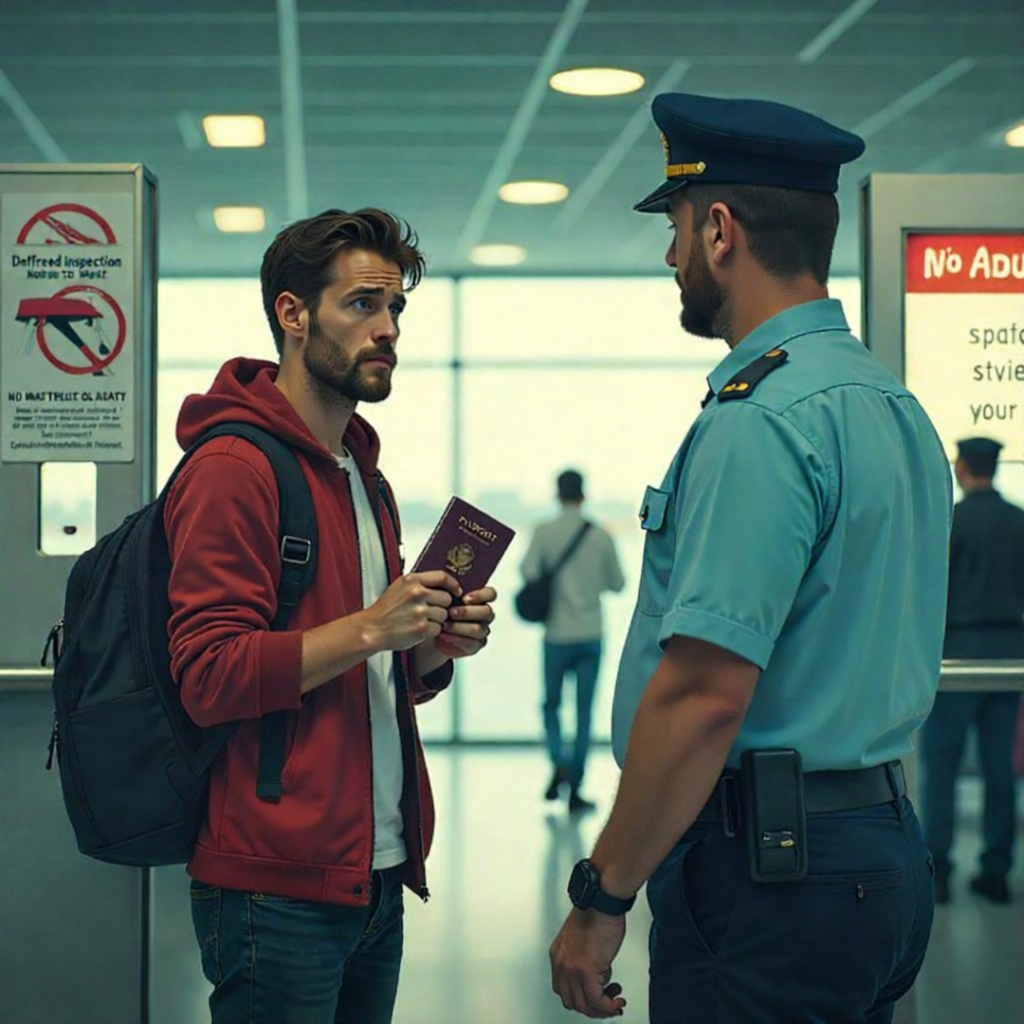
Even with a valid U.S. visa, being denied entry at the border is a real risk. U.S. Customs and Border Protection (CBP) officers can refuse admission if they detect inconsistencies in travel documents, missing paperwork, or potential immigrant intent. Travelers may face secondary inspection, detention, or expedited removal, regardless of prior visa approval.
Key Takeaways:
- Having a valid U.S. visa does not guarantee entry at the border.
- CBP officers have the authority to deny admission based on document issues, inconsistent travel plans, or suspicion of immigrant intent.
- Travelers may be subject to secondary inspection, questioning, detention, or expedited removal.
- Certain visa types, like B-1/B-2 tourist visas or F-1 student visas, face higher scrutiny.
- Proper preparation, accurate documentation, and understanding your rights can reduce the risk of being denied entry.
- Options after denial include Deferred Inspection or applying for a waiver, though immediate appeals are not allowed.
Why CBP Officers Can Deny Entry Even with a Valid Visa?
CBP officers have the final say.
Even if your visa is 100% valid.
They’re trained to look for “red flags.”
That includes:
- Inconsistent travel stories
- Outdated documents
- Suspicion of immigrant intent
- Missing paperwork or proof of funds
- Past overstays or immigration violations
- Criminal records, even minor ones
They don’t need a reason to ask more questions.
But they do need a reason to deny you.
And once they do, it gets serious.
Here’s what happens next.
You’re pulled aside.
Questioned, sometimes for hours.
Phones taken. Lawyers? Not allowed.
Detained.
You might be sent back the same day.
Or banned from returning for 5 years under expedited removal.
Yes, it’s overwhelming.
No, you don’t have to go through it alone.
How Your Visa Type Affects U.S. Entry Risks
Your visa type can play a big role in how U.S. Customs and Border Protection (CBP) officers assess your entry. B-1/B-2 tourist visas carry the highest risk of denial, especially if travel plans seem inconsistent or documents are missing.
F-1 student visas can be refused if supporting paperwork, like I-20 forms or proof of enrollment, isn’t in order. H-1B and L-1 work visa holders may trigger red flags if job details, employer information, or project specifics are unclear.
Even green card holders, though rarely, can be denied entry if there are questions about past immigration violations or criminal history.
Can You Appeal a U.S. Entry Denial?
Not on the spot.
But you can request a Deferred Inspection.
Or apply for a waiver.
Better yet, avoid it in the first place.
How VisaPro Supports You After a U.S. Entry Denial
VisaPro helps you understand your rights, prepare proper entry documents, navigate secondary inspections, and build strong re-entry cases. With 22 years of experience and a near 100% success rate, we’ve helped hundreds of travelers maintain their status and stay compliant. We don’t guess—we get it done.
Book your FREE consultation and get a personalized Visa Assessment today:
Get Your Free Visa Assessment